Why membrane switch is helping modernize industrial workflows
Comprehending the Value of Membrane Layer Switch in Modern Electronics
Membrane layer switches are indispensable parts in modern electronic devices. They use a blend of functionality and style that improves individual communication. Their light-weight and long lasting nature makes them appropriate for different applications. As sectors advance, the need for personalization and progressed functions expands. Comprehending just how membrane layer switches over add to innovation reveals their relevance in shaping the future of electronic devices. What lies in advance for this technology?
The Essentials of Membrane Layer Switch Modern Technology
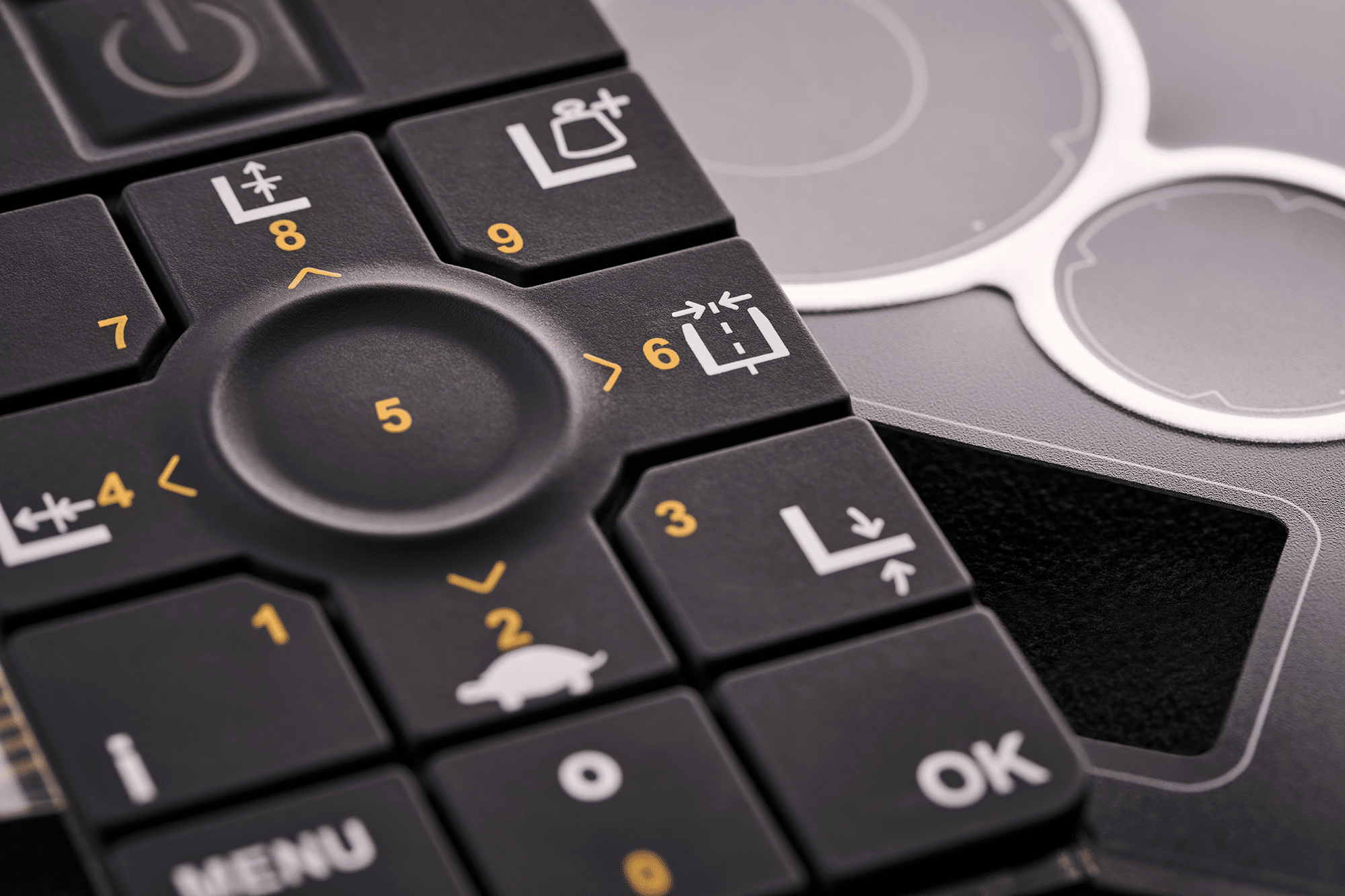
Commonly neglected, membrane layer switch modern technology plays a necessary role in the contemporary electronic devices landscape. These devices, made up of numerous layers, function as interface for various electronic items, varying from home devices to medical devices. A regular membrane switch includes a visuals overlay, a spacer layer, and a circuit layer, which are carefully set up to develop a functional interface.When pressure is used to the overlay, the circuit layer is finished, permitting signals to be transmitted to the tool. This modern technology is known for its flexibility, making it possible for modification in design, shape, and functionality to meet details user needs. Additionally, membrane switches are lightweight and thin, making them suitable for applications where space is a premium. Their sturdiness and resistance to ecological aspects better boost their allure, guaranteeing they can stand up to rough problems while preserving performance. Generally, membrane switch technology is essential to producing user-friendly and reliable digital gadgets

Key Benefits of Membrane Switches Over
Membrane layer switches deal a number of vital advantages that make them a recommended option in various digital applications. Their design allows for a small form variable, allowing manufacturers to produce sleek and lightweight gadgets. Additionally, membrane layer switches are immune to dust, moisture, and chemicals, which improves their toughness and longevity popular environments. The responsive responses offered by these buttons can improve customer experience, making them easy and instinctive to operate.Furthermore, membrane switches can be tailored with diverse graphics and colors, permitting for distinct branding possibilities. The manufacturing process is usually affordable, specifically for high-volume production, as it minimizes setting up time and simplifies style. Ultimately, membrane changes need marginal maintenance, contributing to reduced total operational costs. These advantages highlight their expanding appeal in modern electronics, where reliability and straightforward interfaces are vital.

Applications Throughout Different Industries
The versatility of membrane layer changes allows their extensive fostering across numerous markets. In the clinical field, they are generally utilized in analysis devices and patient tracking systems, offering a sturdy interface immune to contaminants. The vehicle industry uses membrane switches for control panel controls, enhancing individual experience with sleek layouts that withstand extreme conditions. In consumer electronics, they work as control board for devices such as microwaves and coffee makers, giving a straightforward user interface that is very easy to tidy. The aerospace market uses membrane buttons in cabin controls, where integrity and room efficiency are vital. Furthermore, the commercial sector leverages these buttons in equipment and control systems to ensure robust operation popular environments. This broad variety of applications highlights the versatility of membrane layer switches, making them important components in improving performance and individual communication throughout varied technical landscapes.
Modification and Layout Versatility
Future Patterns in Membrane Change Development
Emerging fads in membrane layer button advancement indicate a growing focus on improved performance and integration with smart technologies. As customer need for much more sophisticated electronic devices increases, manufacturers are concentrating on producing membrane switches that not just serve basic functional functions but also include functions like touch sensitivity, backlighting, and haptic feedback.Furthermore, advancements in products are expected to improve durability and ecological resistance, making membrane switches appropriate for diverse applications in markets such as medical care, automobile, and consumer electronics. The assimilation of capacitive touch modern technology is likely to come to be extra common, enabling sleeker designs and enhanced user interfaces. membrane switch.Additionally, the surge of the Internet of Points (IoT) is prompting the growth of membrane changes that can communicate wirelessly with other tools, improving interconnectivity. In general, the future of membrane layer switch modern technology appears appealing, driven by development and the search of user-friendly remedies
Frequently Asked Concerns
Just How Do Membrane Changes Contrast to Conventional Mechanical Buttons?
Membrane layer switches, being a lot more space-efficient and supplying a sleek style, comparison with traditional mechanical switches that give tactile comments. The previous frequently include personalized graphics, while the latter usually assure resilience and dependability in numerous applications.
What Products Are Commonly Utilized in Membrane Layer Switch Over Production?
Membrane switches are typically created making use of products such as polyester, polycarbonate, and printed conductive inks. These materials give sturdiness, adaptability, and responsiveness, making them suitable for various applications in electronic devices and user interfaces.
Can Membrane Switches Over Be Fixed or Recycled?
Membrane layer buttons can commonly be fixed, especially if minor concerns emerge, such as glue failing or surface damage. Full reuse is normally limited due to use and possible deterioration of materials over time.
Just How Do Environmental Variables Impact Membrane Layer Change Efficiency?
Environmental factors, such as temperature, direct exposure, and humidity to chemicals, substantially affect membrane button efficiency. Severe conditions can bring about degradation, linked here affecting responsiveness and durability, eventually compromising the performance of the device in different applications.
What Is the Regular Lifespan of a Membrane Switch?
The regular lifespan of a membrane switch normally varies from 1 to 5 million actuations, depending upon variables such as usage regularity, ecological conditions, and the materials used in production, impacting durability and efficiency durability. A normal membrane layer switch is composed of a graphic overlay, a spacer layer, and a circuit layer, which are thoroughly put together to develop a practical interface - membrane switch.When pressure is applied to the overlay, the circuit layer is finished, allowing signals to be transmitted to the gadget. The tactile comments offered by these switches can improve customer experience, making them very easy and instinctive to operate.Furthermore, membrane layer buttons can be personalized with varied graphics and colors, permitting for special branding chances. As consumer need for more innovative electronic gadgets boosts, makers are concentrating on creating membrane changes that not just offer standard operational roles but additionally incorporate attributes like touch sensitivity, backlighting, and haptic feedback.Furthermore, improvements in products are anticipated to improve resilience and ecological resistance, making membrane changes suitable for varied applications in industries such as health care, vehicle, and customer electronics. The integration of capacitive touch modern technology is likely to come to be a lot more widespread, enabling for sleeker styles and boosted customer interfaces.Additionally, the rise of the Internet of Points (IoT) is prompting the advancement of membrane layer changes that can connect wirelessly with various other tools, improving interconnectivity. Membrane layer buttons, being more space-efficient and using a streamlined style, contrast with conventional mechanical switches that provide tactile comments